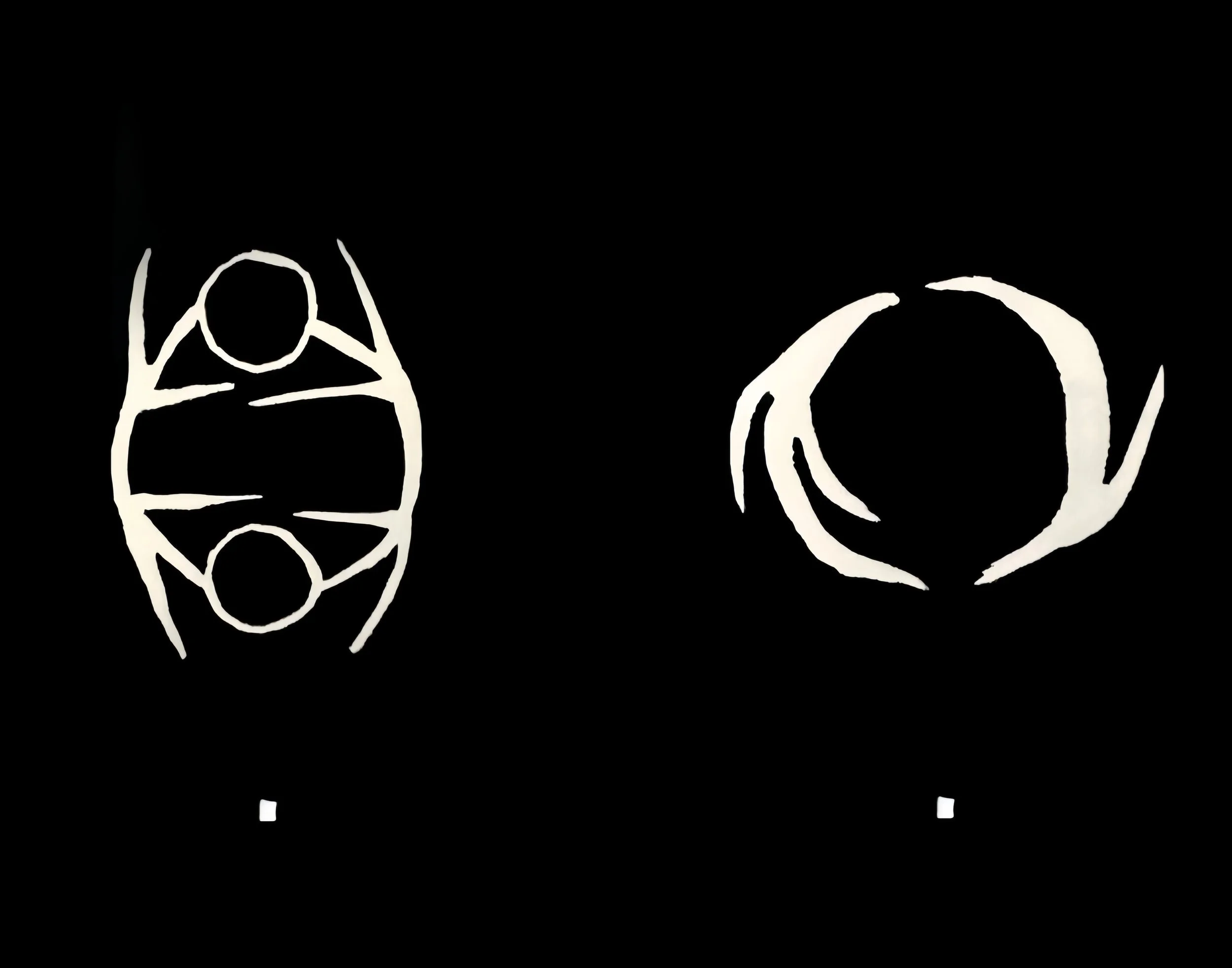
Habitat begins as a condition rather than a place. A childhood dream repeats: waking in a moving car at the same point on the road, again and again, never fully awake. The repetition turns transit into a kind of room—one that is felt, not seen. Panic and relief coexist; excitement flashes briefly; then the cycle returns.
This is the emotional geometry the work keeps returning to. Through found objects and reconstructed structures, installations propose temporary dwellings: fragile supports, small misalignments, quiet tensions. Materials keep traces of their former use, so the space feels lived-in before it is entered. The viewer is not asked to decode a narrative, but to sense a state—being held, being carried, being almost awake. In this habitat, what matters is not certainty, but the subtle shift between inside and outside, collapse and support, fear and the small happiness of arrival..